

Introduction
In the digital age, each stage of a product’s lifecycle generates valuable data. However, when this information is scattered across disconnected systems, businesses face multiple challenges that impact efficiency, quality, and competitiveness. Digital Thread is the solution to these problems, enabling continuous data connectivity from design to manufacturing and maintenance.
What Is the Digital Thread?
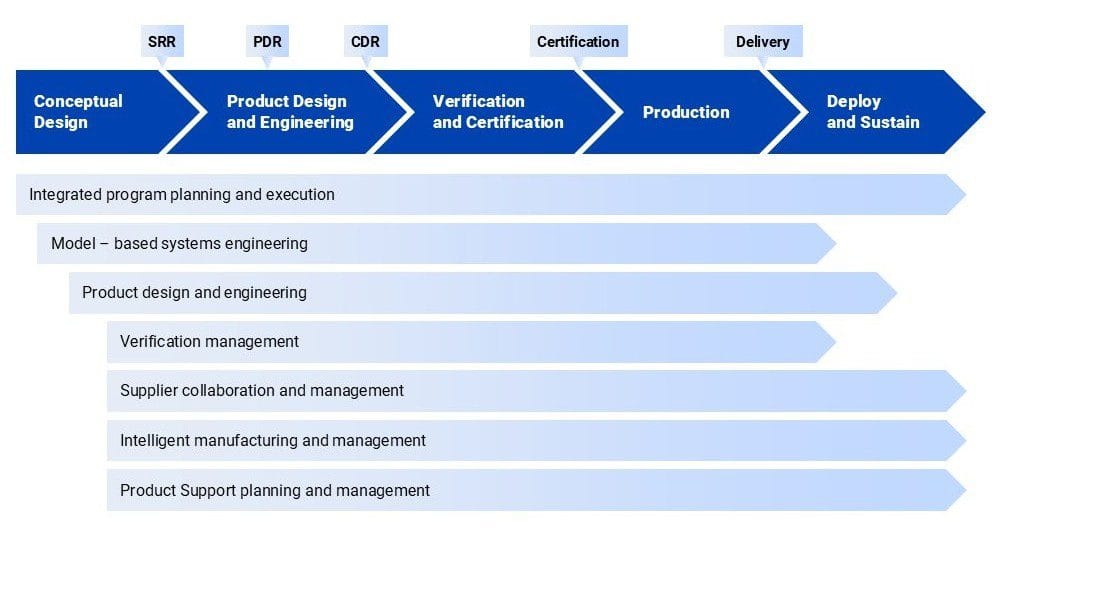
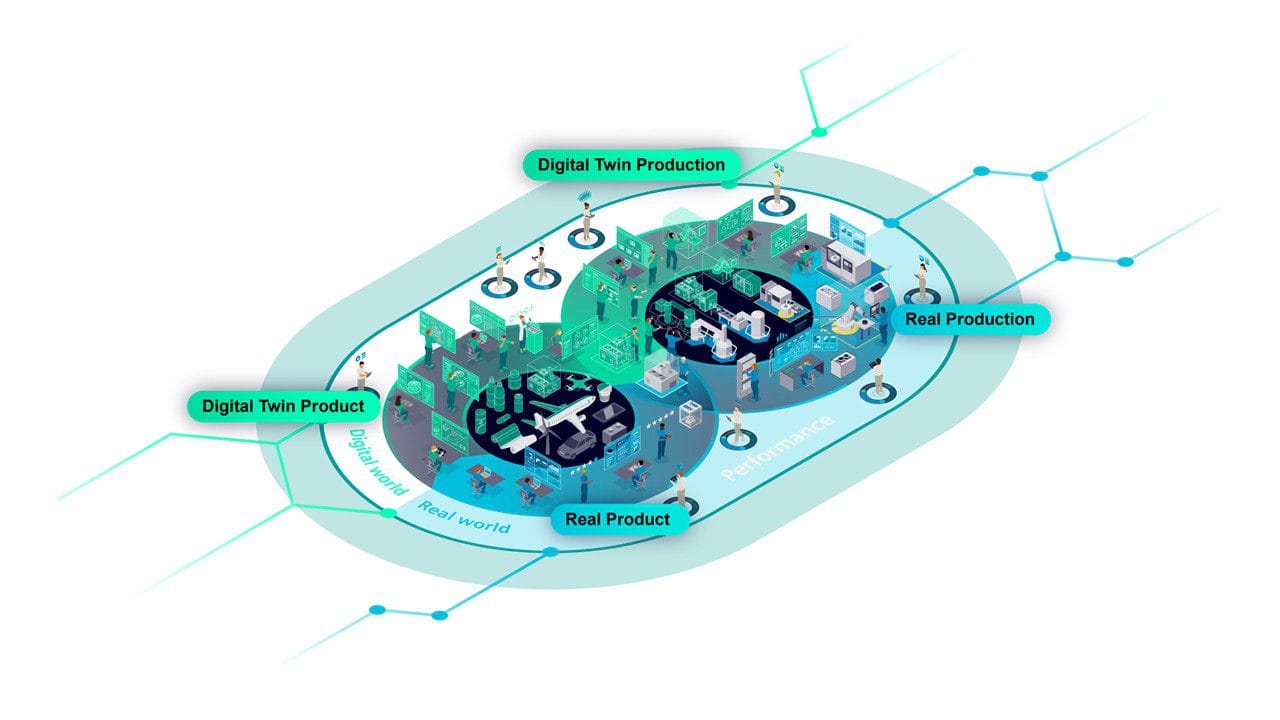
The Digital Thread, as defined by Siemens, connects data, systems, and processes across the entire product lifecycle, from concept and engineering to production and service. It is the ultimate end-to-end lifecycle data approach, redefining Digital Transformation, improving collaboration, and making better decisions at every stage.
Want to see the Digital Thread in action? Take an interactive visual tour.
In this guide, we explore the key challenges companies face when lacking a Digital Thread and how the lack of data integration impacts various areas of their operations.


Key Challenges, Consequences and Solutions:

1. Information Silos: The Barrier to Collaboration
When data is stored in isolated systems, teams can’t immediately access the information they need. This creates information silos, making collaboration between departments difficult.
Consequences:
• Coordination issues between engineering, production, and maintenance teams.
• Delays caused by slow access to necessary information.
• Confusion over project status and operational performance.
Solution:
A Digital Thread connects all systems involved in the product lifecycle ensuring teams work with a unified, real-time data source, fostering efficient collaboration.

2. Costly Errors: The Manual Data Transfer Problem
Manual data transfer between systems increases the likelihood of human errors, leading to rework, quality failures, and production delays.
Consequences:
• Inconsistent data leading to poor decision-making.
• Rising costs due to error correction.
• Decreased quality of the final product.
Solution:
A Digital Thread automates data flow between systems, reducing the chance of errors and ensuring teams work with accurate, consistent information.

3. Decisions Based on Incomplete Data
Without an integrated system, business leaders make decisions based on fragmented information, which can result in ill-informed choices that harm productivity and competitiveness.
Consequences:
• Lack of visibility into project performance.
• Delayed decisions due to difficulty accessing relevant real-time data.
• Missed opportunities for improvement and optimization.
Solution:
With a Digital Thread, all data is centralized, enabling leaders to make informed, real-time decisions, optimizing business outcomes.

4. Low Visibility and Control Over Project Progress
The absence of continuous information flow between departments limits the ability to track project progress. This leads to a lack of control over operations and increases the risk of detecting problems too late.
Consequences:
• Unawareness of potential issues until they escalate.
• Difficulty making timely adjustments to projects.
• Deviations in planned timelines and costs.
Solution:
A Digital Thread provides real-time project monitoring, offering full visibility into processes and performance. This allows businesses to proactively identify and address issues.

5. Delays and High Costs: The Price of Disconnection
The lack of data integration between systems not only delays processes but also increases operational costs. From design to manufacturing, teams must make manual adjustments and wait for data, affecting delivery times and overall efficiency.
Consequences:
• Extended production times due to disconnected processes.
• Increased operational costs due to inefficiencies.
• Loss of competitiveness against businesses that implement more agile solutions.
Solution:
A Digital Thread streamlines workflows, reducing downtime, enhancing operational efficiency, and optimizing costs.
Conclusion: Why Adopt a Digital Thread?
The challenges companies face without a Digital Thread are numerous and can significantly impact productivity, quality, and costs. However, adopting a Digital Thread strategy can transform the way businesses manage their product lifecycle, enhancing collaboration, reducing errors, and enabling more informed decision-making.
The future of the industry lies in total data connectivity. Implementing a Digital Thread is the key to creating a more agile, efficient, and competitive company.